How Do Hydrogen Fuel Cells Dominate the Future of Transportation?
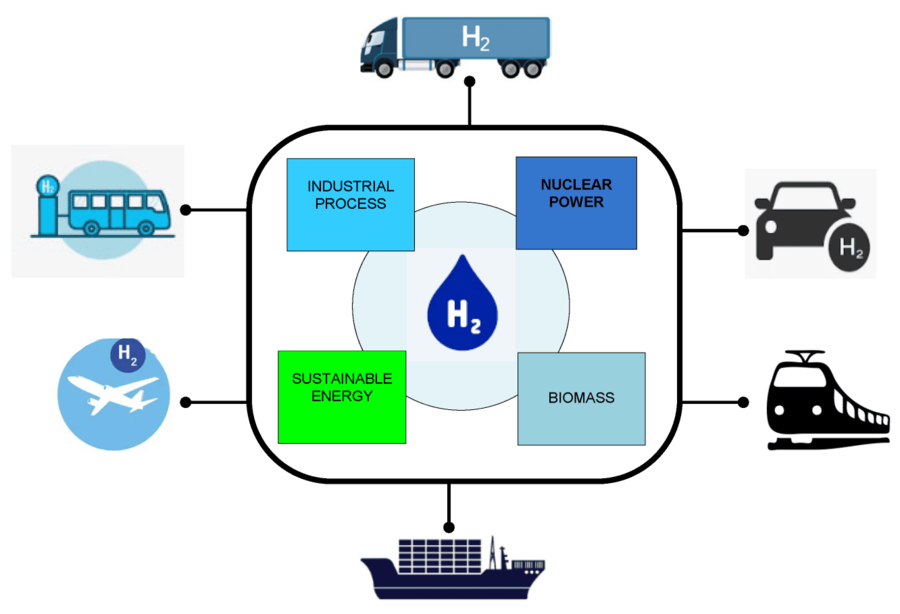
Hydrogen is a colorless, odorless and non-toxic gas. Its high energy density and the gentle and non-polluting operation of engines burning pure hydrogen make it an ideal carrier for storing and delivering energy. With the continuous development of electrified transportation, hydrogen fuel is expected to contribute to the popularity of electric vehicles, ships and aircraft in the transportation sector. In particular, hydrogen-powered vehicles, which do not use internal combustion engines but are designed using Fuel cell hydrogen, have a fairly high fuel utilization rate and energy yield, and efficiently convert energy into electricity with two to three times the efficiency of internal combustion engines.
This paper will introduce how hydrogen fuel cells will dominate the future of transportation in terms of their working principle, market prospects, technical challenges and current market applications.
1.How Hycircle Hydrogen Fuel Cell Stacks Work and Their Advantages
What is hydrogen fuel cell?Basic Principles of Hycircle Hydrogen Fuel Cell Stacks
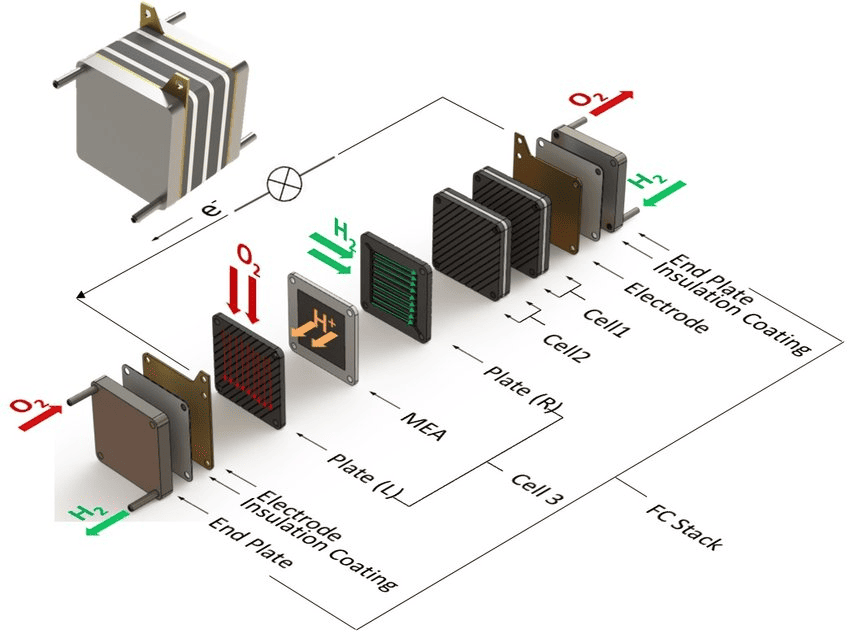
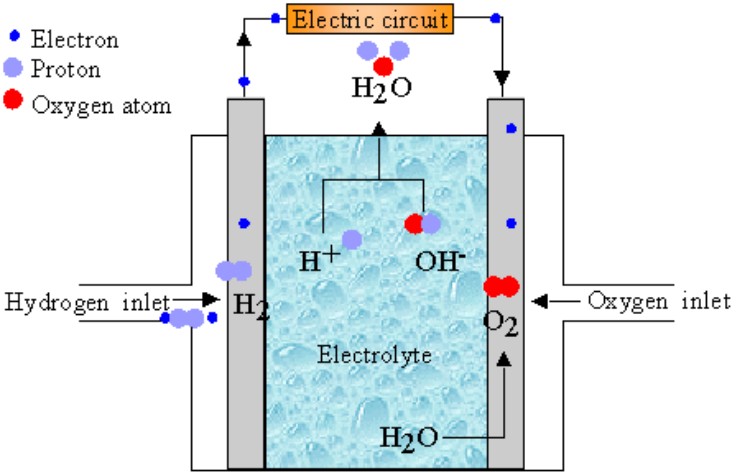
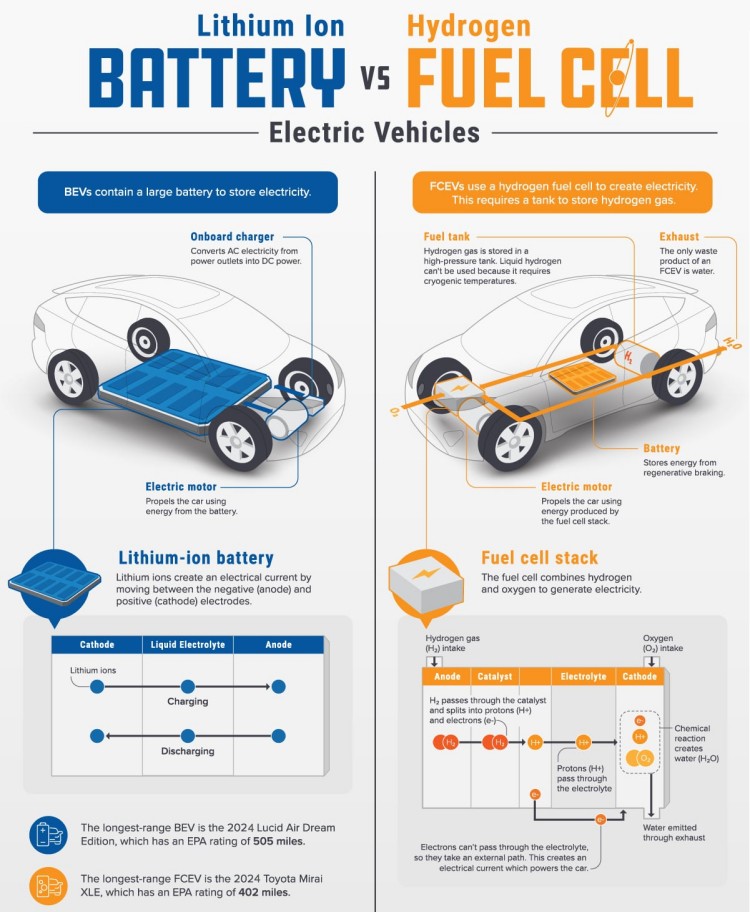
Hycircle Hydrogen Fuel Cell Stacks share a similar principle to other types of batteries, both consisting of two electrodes - a negative (or anode) and a positive (or cathode), with an electrolyte sandwiched in between. Fuel (e.g., hydrogen) is delivered to the anode and air is delivered to the cathode. Consists of two electrodes - negative (or anode) and positive (or cathode), with an electrolyte sandwiched between them. Fuel (e.g. hydrogen) is delivered to the anode and air is delivered to the cathode. But fuel cells don't run out of power or need to be recharged; they produce electricity and heat as long as there is a supply of fuel. This is shown by a catalyst at the anode separating the hydrogen molecules into protons and electrons, which take different paths to the cathode. The electrons pass through an external circuit, generating an electric current. The protons migrate through the electrolyte to the cathode where they combine with oxygen and electrons to produce water and heat.
Compare Hydrogen Fuel Cells and Conventional Battery Operated
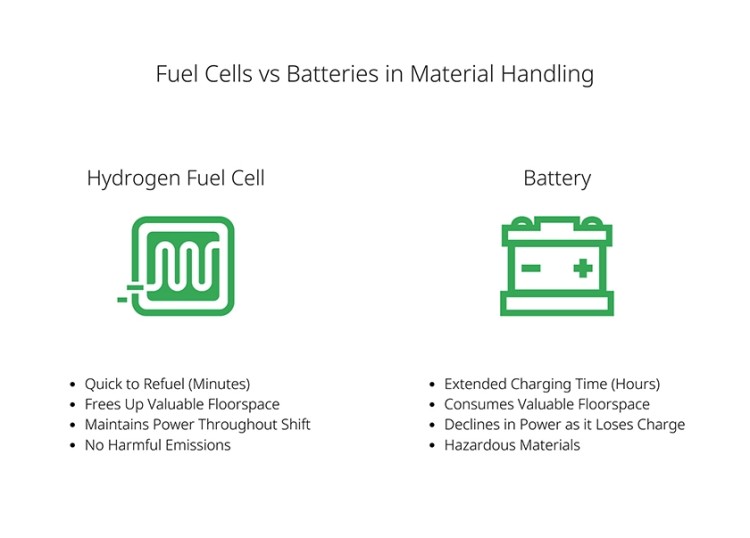
Range: Fuel cell hydrogen offer higher energy density than conventional batteries, making them particularly suitable for long-distance transportation.
Hydrogen refueling time: Hydrogen refueling takes less time than charging conventional batteries, which is critical for transportation sectors (e.g., public transportation and logistics) that need to get back up and running quickly.
Environmentally friendly: The clean source of hydrogen (e.g. renewable energy) and the zero emissions during use are in line with the global trend towards green transportation.
2. Market prospects for Hydrogen fuel cell stack transportation
Government Policy Support: Governments have set up several welfare policies for Hycircle Hydrogen Fuel Cell Stack transportation, accelerating the development of the hydrogen industry through subsidies, tax incentives, and infrastructure development.
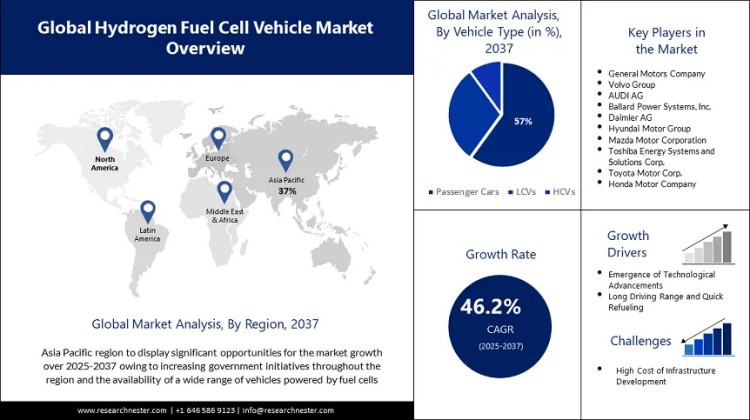
Key Industry Players: Some key companies, such as Toyota, BMW, Hyundai, Volvo, Mercedes-Benz, etc., which play a leading role in Hydrogen fuel cell stack vehicles and transportation solutions.
Huge potential demand: Experts predict that hydrogen energy will have a major breakthrough within two years, become widespread within five years, and take over the majority of the overall battery market by 2037, with the use of Fuel cell stacks occurring in every country.
3. Challenges for Hydrogen fuel cell stack transportation
Infrastructure bottleneck: Hydrogen refueling stations are lagging behind, making it difficult to popularize Hydrogen fuel cell stack vehicles. Hycircle has set up a dedicated research team to solve the problems of hydrogen production, storage and transportation, and to speed up the construction of the hydrogen refueling station network, with the aim of breaking through this bottleneck within two years.
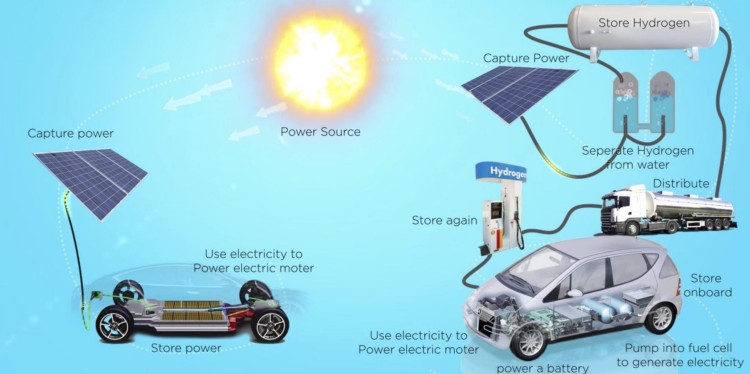
Hydrogen supply problem: Currently the global hydrogen production is mainly dependent on fossil fuels, which is a huge challenge to solve the global low-carbon and environmental pollution problems. Hycircle is committed to the green production of hydrogen, such as water electrolysis, renewable energy hydrogen, etc., which provides a strong support for the government's sustainable development policies.
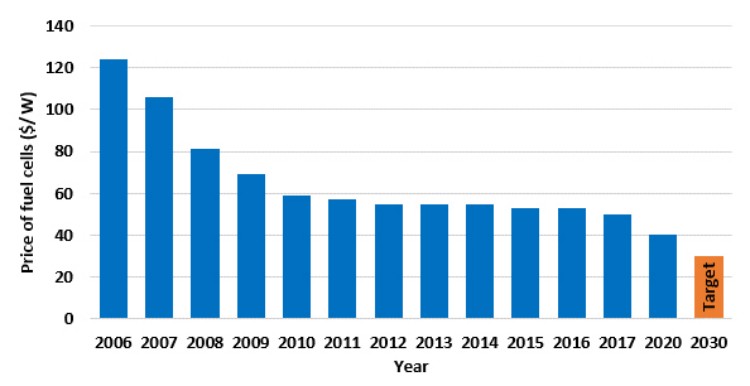
Cost: The Hydrogen Fuel Cell Manufacturer are still bearing very expensivecost in the global, especially in terms of catalysts (e.g. platinum). But Hycircle has used designed an innovative combination of technologies to leverage its scale effect, the top of the hydrogen energy field. Great price advantage is an important reason for Hycircle's competitiveness. In the next two years, Hycircle will develop affordable Fuel cell hydrogen with a focus on cost reduction while maintaining quality.
Here are the cost of Hycircle Hydrogen Fuel Cell Stack Manufacturer manufacturing in the last 15 years.
Technology development: Fuel cell stacks on the market are still immature and lightweight, Hycircle's goal now is to improve the efficiency of the fuel cell, extend its service life, reduce its weight, etc. Hycircle's goal is to create a hydrogen fuel cell that meets the needs of its customers. Striving to create products that meet customer needs.
4. Hydrogen fuel cells in transportation applications
Hydrogen Fuel Cells in Transportation:
Automotive: Fuel cell stacks vehicles (FCVs) such as the Toyota Mirai and Honda Clarity have achieved initial market success, demonstrating their potential for personal mobility.
Commercial vehicles: Fuel cell hydrogen are already widely used in transportation vehicles such as buses and trucks, and the development of a network of hydrogen refueling stations could support their popularity.
Rail and Shipping: Hydrogen fuel cell trains and ships can help reduce carbon emissions in long-distance transportation, especially in areas not covered by the electricity grid.
Aviation: Fuel cell stackss for small aircraft and drones have the potential to reduce the carbon footprint of the aviation industry.
Fuel cell stackss are not only a revolutionary tool for transportation, but also one of the key enablers of the global energy transition and emissions reduction targets. Although hydrogen energy faces huge challenging challenges globally, with technological advances and policy support, Hycircle is expected to be the clean energy leader that will dominate the future of transportation.
How Hydrogen Fuel Cell Structure Affects Performance?
Why Hydrogen Storage Tanks Lead Clean Energy's Future?
Related Article