Hydrogen Energy Industry Chain Panorama: Covering Hydrogen Production and Hydrogen Tank
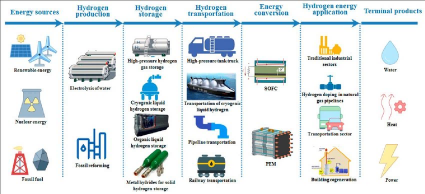
As the global demand for clean energy continues to rise, hydrogen, as a highly promising clean energy carrier, is increasingly attracting extensive attention from the international community. This paper provides a comprehensive account of the latest developments in hydrogen preparation options, storage and its wide range of applications in numerous fields.
Hydrogen Production:
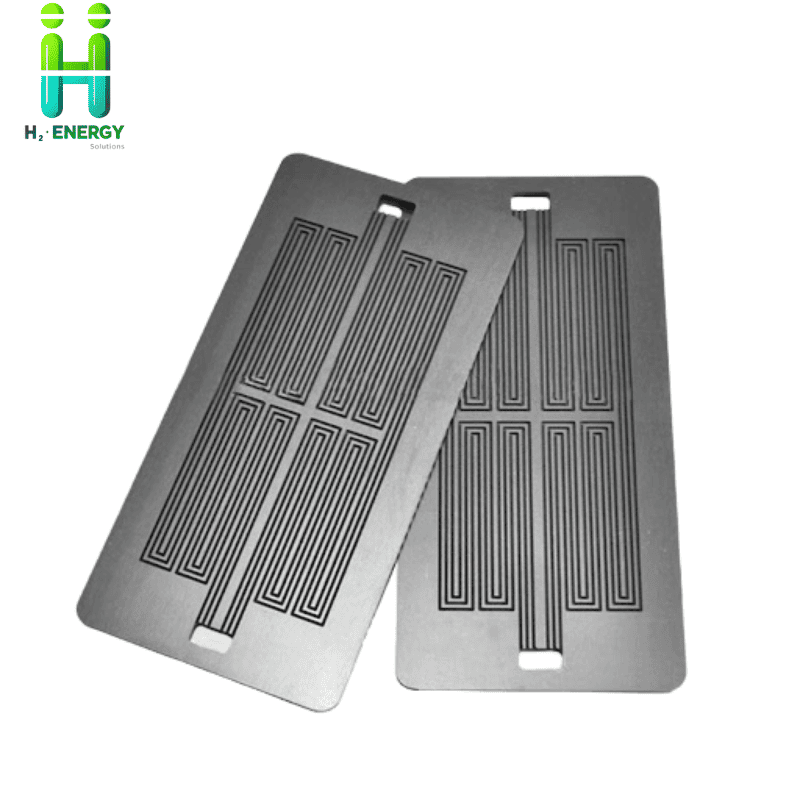
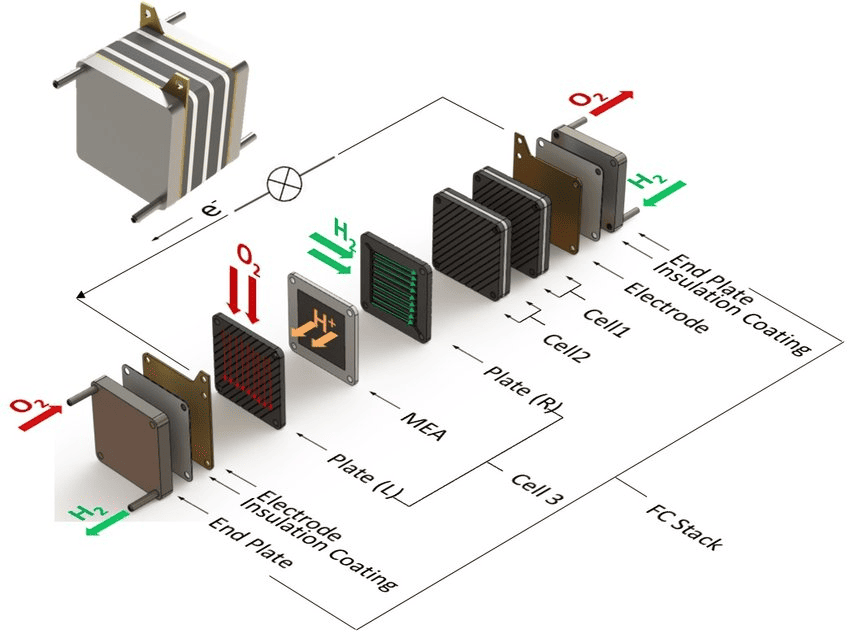
Hydrogen generators, also known as electrolysers, are used for hydrogen production, and the hydrogen production process is one of the key ways to reduce and decarbonise carbon as a result of the introduction of the two-carbon goal of greening hydrogen.
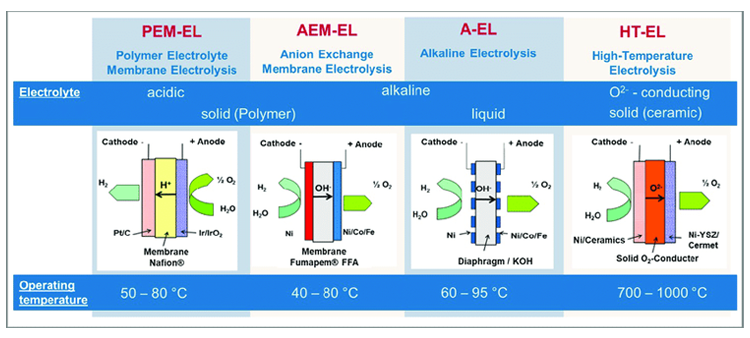
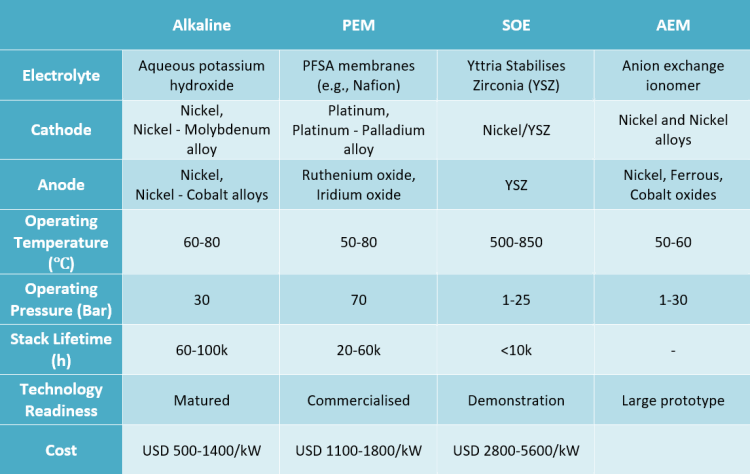
Among them, electrolysis of water is an important method to produce green hydrogen. The increase in the scale of hydrogen production from electrolytic water has also led to the rapid growth of the electrolysis tank market. Green hydrogen in the manufacturing cost remains high mainly due to the price of electricity and electrolysis water hydrogen production system, electrolysis tank as a renewable energy large-scale hydrogen production of key equipment, in the hydrogen production system accounted for nearly 50% of the total cost. Therefore, hydrogen energy equipment represented by electrolysis tank plays a key role in reducing the cost of hydrogen production.
1)Proton Exchange Membrane Electrolysis
2)Anion Exchange Membrane Electrolysis
3)Alkaline Electrolysis
4)Solid Oxide Fuel cell Electrolysis
Hydrogen Storage:
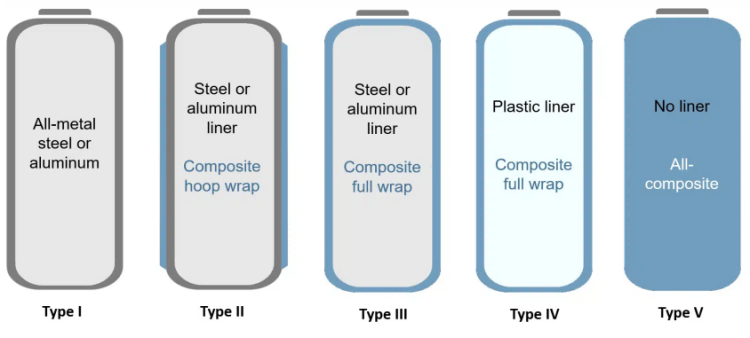
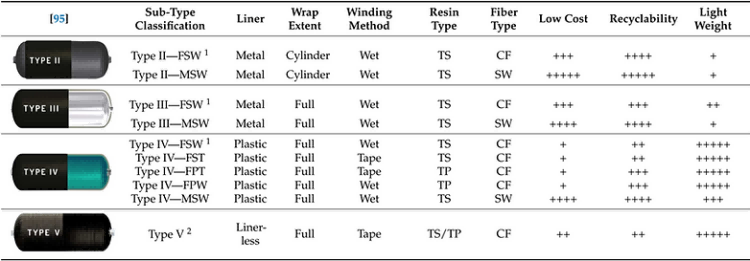
Hydrogen storage tanks serve as a link to collect the hydrogen gas produced by the electrolysis tank to be supplied to the hydrogen fuel cell. This process is connected by piping, including the connection to the electrolysis tank to collect the hydrogen gas and the connection to the hydrogen fuel cell to use the hydrogen gas. Hydrogen cylinders are equipped with a fixed pressure reducing valve to regulate the pressure of hydrogen gas so that it can be used safely and conveniently by the user. Generally speaking there are several types of hydrogen storage tanks such as high-pressure gaseous hydrogen storage tanks, low-temperature liquid hydrogen storage tanks, solid-state hydrogen storage tanks, composite high-pressure gaseous hydrogen storage bottles and metal-lined fibre-wound gas tanks.
The following are the characteristics of each:
1) High-pressure gaseous hydrogen storage tanks are simple and relatively low cost but require high storage pressure.
2) Cryogenic liquid hydrogen storage tanks are suitable for long-distance transport, but there are safety risks of leakage and evaporation.
3) Solid hydrogen storage tanks have high hydrogen density but have technical problems.
4) Composite high-pressure gaseous hydrogen storage cylinders are lightweight, strong and corrosion-resistant.
5) Fibre-wound gas tanks with metal liner are made of fibre-wound material to enhance strength and pressure resistance.
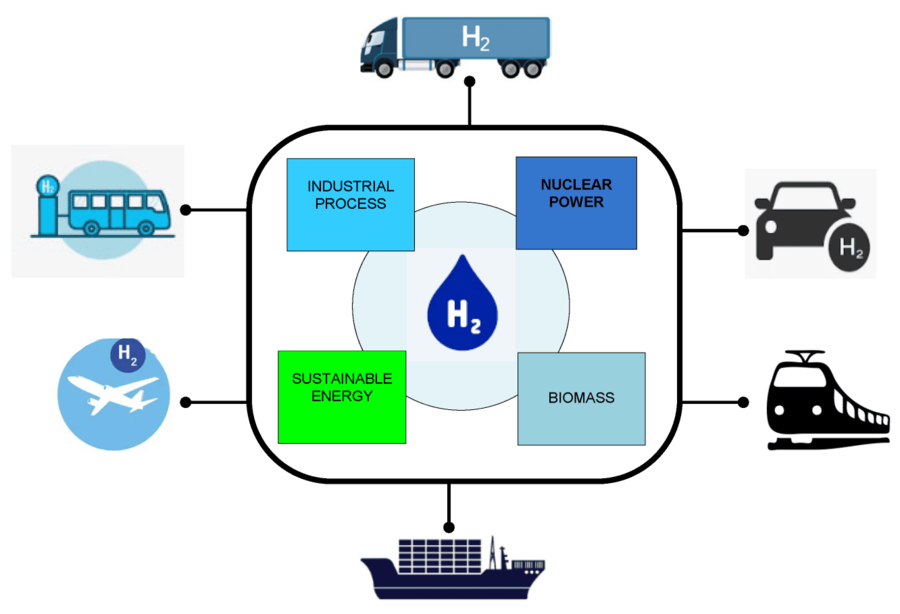
This paper maps out the panorama of hydrogen production, storage, transport and use of hydrogen energy in the clean energy transition. We expect that this paper will provide valuable references and inspiration for researchers, engineers and users to work together to promote the continuous development of hydrogen energy technology and contribute to building a green and low-carbon future.
View the hydrogen energy chain distributing: from the hydrogen storage end to the fuel cell application
What is the hydrogen tank
Related Article