Comparison between hydrogen fuel cell and other battery technologies
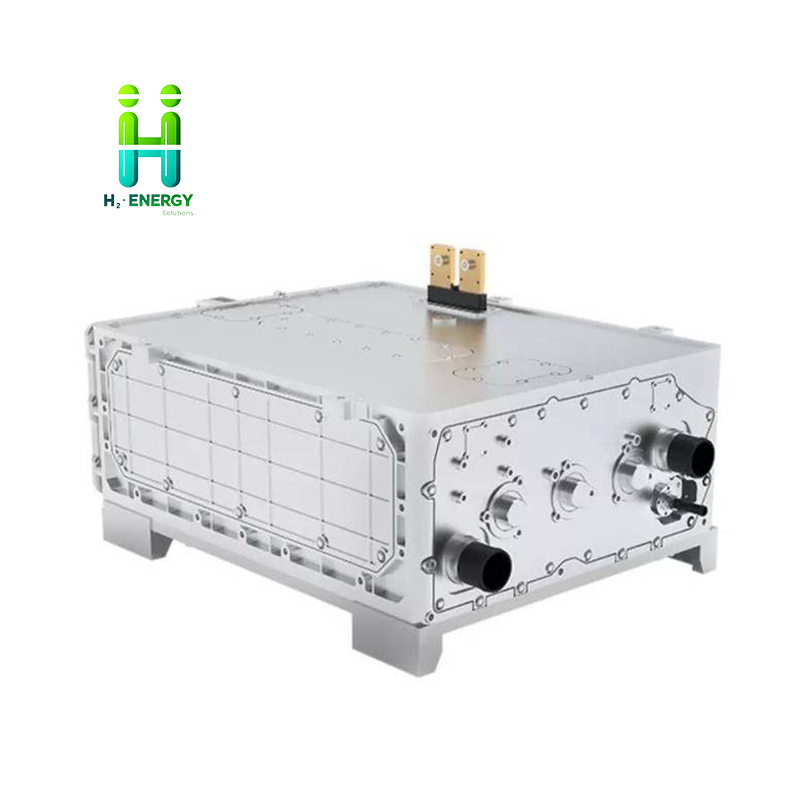
AEM fuel cells have shown outstanding performance in hydrogen production through electrolysis of water, with high hydrogen purity and low cost. DMFC uses methanol as fuel, with high energy conversion efficiency and environmental friendliness, but its technological maturity needs to be improved. SOFC solid oxide fuel cells can efficiently generate electricity at high temperatures while producing high-quality waste heat, but at a higher cost. PEM fuel cell technology is mature and widely used in transportation and fixed power generation, with high energy density and efficiency, but its performance may be limited in certain specific environments. In daily life, the four types of fuel cells have their own characteristics and are suitable for different fields. How exactly does a hydrogen fuel cell work? How does it achieve high efficiency and zero emissions? This news will give you the details.
Hydrogen fuel cell working principle
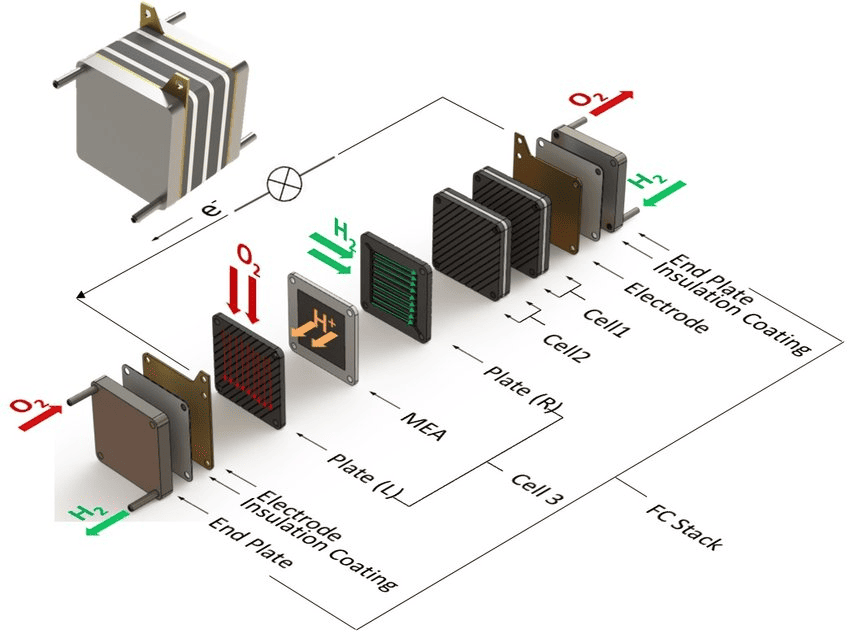
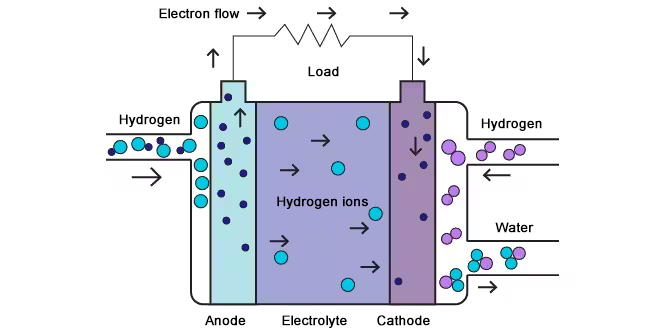
The working principle of hydrogen fuel cells is based on the reverse reaction of electrolyzed water, where hydrogen and oxygen undergo a chemical reaction in a specific device to generate electricity and water. During this process, hydrogen gas is used as fuel and is split into hydrogen ions and electrons at the anode. Electrons do work through an external circuit, while hydrogen ions pass through the electrolyte layer to reach the cathode. At the cathode, oxygen, hydrogen ions, and electrons combine to form water, thus completing the entire circuit.
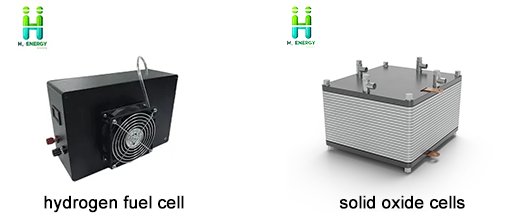
Compare hydrogen fuel cells and solid oxide cells
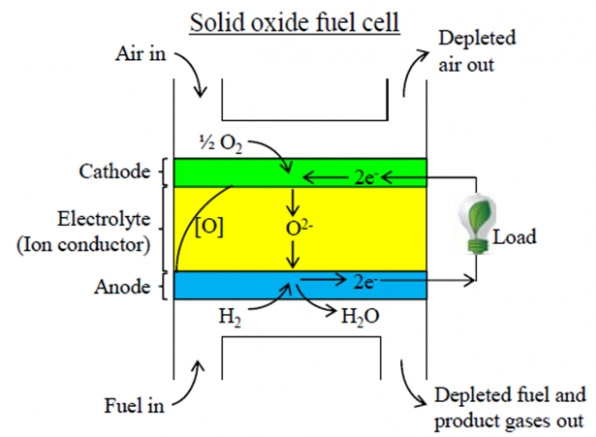
Compared to principle of hydrogen fuel cell, solid oxide electrolytes conduct negative oxygen ions from the cathode to the anode. At the anode, negative oxygen ions electrochemically oxidize hydrogen or carbon monoxide.
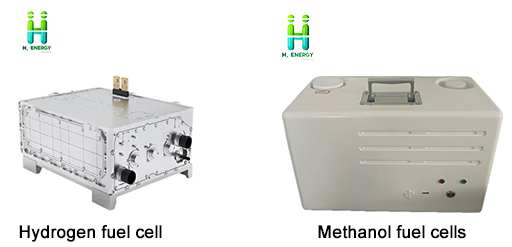
The energy conversion efficiency of hydrogen fuel cells reaches over 50%, but methanol fuel cells can only reach 30% to 46%. In terms of storage and transportation, hydrogen, as a gas fuel, requires special equipment and safety measures, while methanol is relatively simple and cost-effective. In terms of environmental protection, both are relatively environmentally friendly, and the carbon dioxide produced by single methanol fuel cells still causes certain pollution to the environment.
Compare hydrogen fuel cells and methanol fuel cells
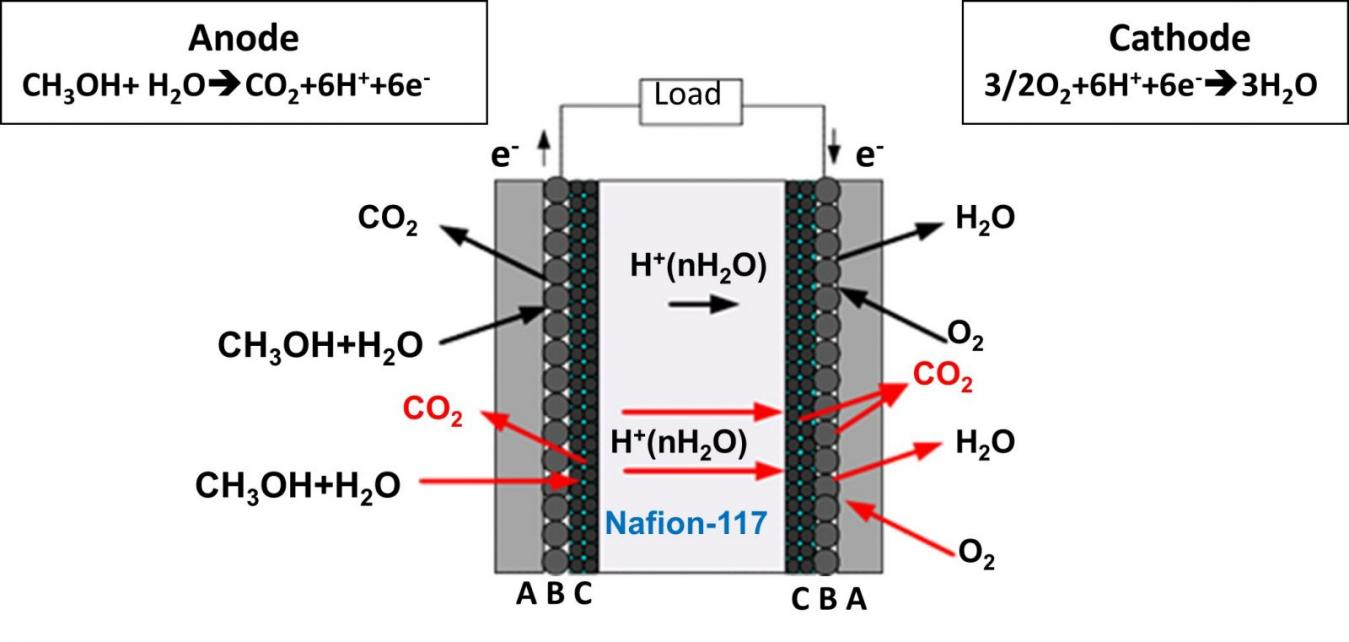
Compared to principle of hydrogen fuel cell, methanol fuel cells (DMFC) rely on the oxidation of methanol generated in the catalyst layer to form carbon dioxide. Water is consumed on the anode and generated on the cathode. Protons (H+) are transported through the proton exchange membrane to the cathode, where they react with oxygen to produce water. Proton exchange membranes are typically manufactured using Nafion. Electrons are transported from the anode to the cathode through an external circuit, providing power to the connected devices.
Methanol fuel cells
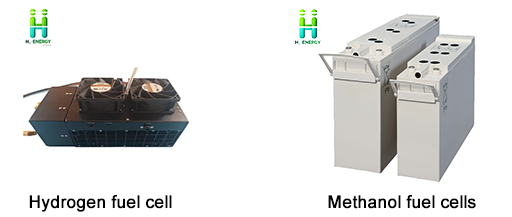
In terms of efficiency, hydrogen fuel cells have a conversion efficiency of over 50%, which is much higher than the 30% to 40% of methanol fuel cells. The lifespan of hydrogen fuel cells is relatively long, which can meet the needs of long-term operation. However, the permeability of methanol to proton exchange membranes (PEM) is a difficult problem to solve, so there is a certain contradiction between performance and stability, resulting in a relatively short lifespan.
Compare hydrogen fuel cells and anion membrane cells
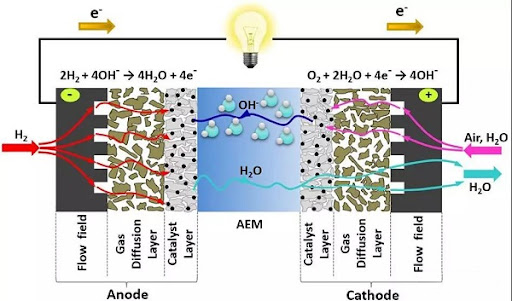
Compared to principle of hydrogen fuel cell, the use of anion exchange membranes as key components has selective permeability, allowing only anions to pass through, thereby isolating oxidants and reducing agents, conducting anions, and participating in electrochemical reactions. In terms of energy density, hydrogen fuel cells have a higher energy density, while anion membrane cells may be affected by electrolyte solution concentration and cell design.
Hydrogen can be produced through methods such as electrolysis of water and natural gas reforming, and is renewable. However, the storage and transportation of hydrogen require special equipment, which increases costs and safety risks. Anion membrane cells use metal ions or organic compounds as fuel, and storage and transportation are relatively simple.
Anion membrane cell
In summary, hydrogen fuel cells have significant advantages over solid oxide cells, methanol fuel cells, and anion membrane cells in terms of application flexibility, fuel convenience, environmental friendliness, energy density and efficiency, as well as technological maturity and commercialization process. These advantages make hydrogen fuel cells have broad application prospects and enormous development potential in fields such as new energy vehicles and distributed energy systems.
What is the hydrogen tank
New perspective on hydrogen fuel cell cooling technology: how water cooling and air cooling affect performance and cost
Related Article